The Essential Guide to E-Waste Recycling: Why It's Critical and How to Start Today
E-waste recycling stands as a vital but commonly disregarded element of modern environmental responsibility. Given the rapid progression of technology, enormous quantities of electronic waste gather each year, presenting serious environmental threats. Grasping the complexities of e-waste disposal enables people to make well-informed decisions. This guide not only outlines effective recycling practices but also explores the broader implications for the environment and economy. The pursuit of responsible electronic waste management commences with a handful of essential measures.
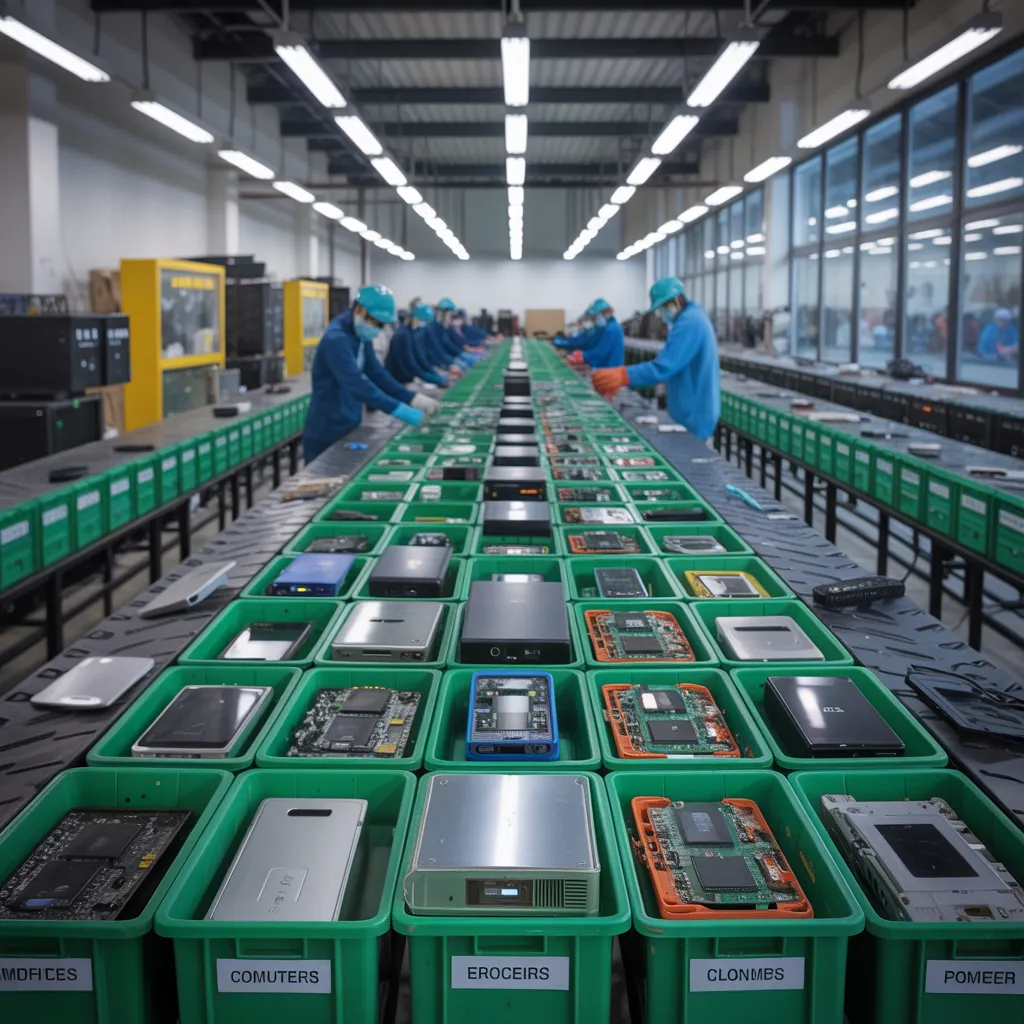
Everything You Should Know About E-Waste
E-waste, also referred to Click here as electronic waste, describes abandoned electrical and electronic devices, and grasping its impact is essential in the modern digital era. Technological progress has led to a substantial rise in the production of e-waste, with millions of tons produced annually. This discarded material commonly includes toxic components like lead, mercury, and cadmium, presenting significant ecological and health hazards when not handled responsibly.
Furthermore, valuable elements like gold, copper, and rare earth metals are contained in these electronic devices, which can be retrieved through the recycling process. Nevertheless, a large portion of e-waste is deposited in landfills, aggravating environmental pollution and resource loss. Educating people about appropriate waste disposal techniques and the value of recycling can reduce these concerns, fostering a more environmentally responsible strategy for technology utilization. Comprehending e-waste is necessary for fostering accountable habits and driving effective recycling initiatives within society.
Getting Started with E-Waste Recycling
Choosing to take action on recycling electronic waste can greatly impact the environment as well as personal accountability. To begin, people should evaluate their old or non-functioning electronics, sorting items including smartphones, laptops, and printers. This approach assists in determining the quantity of electronic waste that must be managed. Additionally, looking into local recycling initiatives is essential. Many communities offer designated drop-off locations or special collection events for e-waste.
Users must also educate themselves about the items that qualify and do not qualify for recycling, as regulations change based on the region. After locating appropriate recycling programs, carefully securing the items for transportation protects the items and limits potential harm. Finally, it is important to monitor the recycling process, ensuring that qualified recyclers are responsible for handling the e-waste. By taking these initial steps, individuals contribute to a more sustainable future while handling their electronic waste with care.
The Environmental Consequences of Electronic Waste Recycling
Frequently overlooked, the effect on the environment of recycling e-waste is substantial and extensive. Appropriate recycling of electronic waste works to prevent hazardous materials, such as lead, mercury, and cadmium, from corrupting soil and water systems. Such hazardous materials can contribute to significant health dangers for both humans and wildlife. By choosing to recycle, critical raw materials like silver, gold, and copper are recovered, decreasing the demand for mining and reducing the total carbon footprint associated with resource extraction.
Additionally, efficient e-waste recycling limits landfill dependency, where breaking down electronics discharge dangerous chemicals. It nurtures a circular economy by encouraging eco-friendly practices, motivating manufacturers to create products that prioritize recyclability. In addition, recycling supports the reduction of greenhouse gas emissions by limiting energy consumption versus creating new materials. Taken together, the environmental gains of e-waste recycling reinforce its indispensable role in sustaining a healthier planet and ensuring accountable management of electronic resources.
Financial Advantages of E-Waste Recycling
E-waste recycling provides substantial financial benefits, notably through employment generation and material recovery. Through the development of recycling centers, communities can generate employment opportunities while promoting sustainable practices. Furthermore, recovering valuable materials from electronic waste decreases reliance on fresh raw material extraction, resulting in substantial financial savings.
Employment Generation Prospects
Processing e-waste not only tackles environmental issues but also acts as a driving force for employment growth. The electronic waste recycling sector creates numerous job prospects, spanning from gathering and categorizing to processing and restoring electronic equipment. As the need for eco-friendly methods increases, this industry is developing rapidly, calling for qualified professionals in technology, engineering, and supply chain management. Regional economies gain advantages as employment opportunities frequently emerge in communities with elevated joblessness, promoting neighborhood advancement. Additionally, organizations participating in e-waste management can inspire technological advancement and business development, supporting a resource-efficient economy. Through committing to e-waste programs, authorities and institutions not only advance ecological preservation but also strengthen financial stability via significant job creation.
Material Recovery Savings
The e-waste recycling industry not only generates employment but also provides significant economic advantages via resource recovery efficiencies. Through the reclamation of valuable materials like gold, silver, and copper from discarded electronic devices, the recycling process decreases the reliance on virgin material extraction, which tends to be both costly and ecologically destructive. This approach reduces manufacturing costs for producers, which in turn leads to more affordable pricing for consumers. Additionally, the energy savings associated with recycling e-waste can be substantial, decreasing operational costs for businesses and improving overall economic efficiency. As well, as the global appetite for electronic devices continues to increase, efficient resource recovery from e-waste becomes increasingly essential for sustaining supply chains and enhancing economic resilience. Therefore, e-waste recycling is a prudent investment for both the economy and the environment.
Places to Recycle Your Old Electronics
Wondering where to dispose of outdated electronics responsibly? A wide range of choices can be found for recycling used gadgets, providing both environmental benefits and the reclamation of useful resources. Community recycling hubs commonly welcome numerous types of electronic devices, such as laptops, mobile phones, and televisions. Many municipalities also host periodic e-waste collection events, offering an easy and accessible method for community members to dispose of electronics responsibly.
Well-known retailers including Best Buy and Staples run take-back schemes, allowing customers to return old electronics when purchasing new ones. A number of manufacturers have established mail-in recycling initiatives, enabling consumers to send their outdated devices directly to designated facilities. Nonprofit groups may additionally welcome donations of working electronics, increasing the longevity of these products while advancing local community efforts.
Dispelling Common Misconceptions About E-Waste Recycling
While many individuals assume that e-waste recycling is unproductive, the reality is that properly managed programs can considerably reduce environmental harm. A widespread myth is that e-waste ends up in landfills regardless of recycling efforts. In truth, credible recycling operations recover useful resources and safely dispose of hazardous components.
A common misconception claims that disposing of electronics through recycling is too difficult or pricey. However, a variety of community programs feature no-cost drop-off points, allowing everyone to participate with ease. Several programs additionally feature convenient collection options.
Moreover, certain individuals assume that all electronic waste is suitable for recycling, but not every item is recyclable due to specific materials involved. Understanding local guidelines is essential.
Finally, it is widely believed that e-waste recycling has no impact on job creation. However, the recycling industry creates thousands of employment opportunities, strengthening the economy while advancing environmental sustainability. By dispelling these false beliefs, individuals can develop a clearer understanding about e-waste recycling.
Common Questions and Answers
Is It Possible to Recycle Batteries With My E-Waste?
Batteries are not suitable for recycling with e-waste. They require separate handling due to hazardous materials. Appropriate disposal methods involve dedicated recycling centers or specially organized collection events for batteries, guaranteeing safe and eco-friendly processing.
What Happens to My Data During Recycling?
When recycling devices, data stored on devices could be vulnerable without proper erasure. Reputable recycling facilities utilize dedicated processes to guarantee complete data destruction, securing private information from possible retrieval or misuse.
Is E-Waste Recycling Subject to Legal Regulation?
E-waste disposal is regulated by a range of laws and regulations that vary by geographic location. These rules seek to guarantee safe disposal, protect the environment, and effectively manage hazardous materials throughout the recycling process.
Are There Fees for Recycling Electronics?
Many e-waste recycling locations might charge fees for handling items, particularly for particular types like televisions and computer monitors. Nevertheless, some facilities provide free recycling, generally backed by manufacturer-sponsored programs or regional programs promoting responsible disposal.
What Are the Ways to Promote E-Waste Recycling in My Community?
To advance e-waste recycling throughout the community, community members can arrange awareness campaigns, partner with local businesses to organize disposal events, and leverage social media to spread valuable information about the benefits to the environment and responsible disposal practices.